
Training For Kilimanjaro – Everything You Need to Know
A pair of hiking boots and a sense of adventure? Just these things will not suffice on Kilimanjaro! The climb requires a comprehensive Training for Kilimanjaro approach to physical conditioning, mental preparedness, and strategic acclimatization.
Climbing Kilimanjaro may not necessitate technical mountaineering skills, but it is a difficult multi-day trek at high altitudes, posing unique challenges that can test even the most seasoned adventurers.
We have a task to accomplish through this exploration – to equip climbers with the knowledge and tools necessary for a seamless Mount Kilimanjaro Climbing adventure.
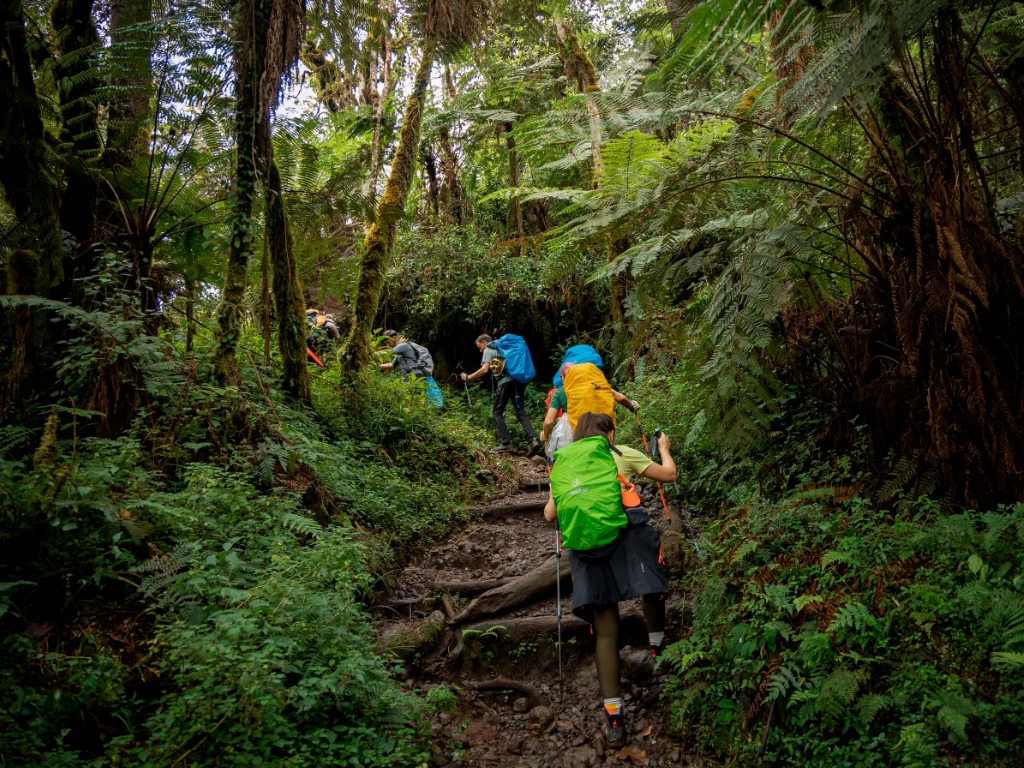
Physical Conditioning For Kilimanjaro Climbs
Preparing for the physical demands of ascension requires a targeted Kilimanjaro Training
Program that builds strength, endurance, and flexibility.
Incorporating a variety of exercises into the Training Plan for Kilimanjaro can help you develop the necessary fitness levels for a successful climb.
Aerobic exercises such as hiking, running, and cycling are excellent for building cardiovascular endurance.
It is essential for tackling the steep
inclines and high altitudes of Kilimanjaro.
Strength training exercises like squats, lunges, and deadlifts can help strengthen the muscles in your legs, core, and upper body.
The advantage of this is the stability and power that will be acquired to navigate rocky terrain and carry a backpack.
Incorporating exercises like yoga, Pilates, and balance drills into the Training Schedule for Kilimanjaro can help enhance your coordination and stability, making it easier to navigate uneven terrain and rocky paths.
Furthermore, flexibility exercises such as stretching and foam rolling can help improve mobility
and range of motion, reducing the likelihood of muscle strains and injuries during the climb.
It's important to gradually increase the intensity and duration of your workouts as you progress in your training program to build endurance and prepare your body for the physical
challenges of Climbing Mt Kilimanjaro.
The following is a representation going over the typical Training Plan for Kilimanjaro:
| Exercise Type | Duration | Description |
|---|---|---|
| Warm Up and Stretch | 5 minutes | Stretching to prepare muscles |
| Aerobic Exercise | 15 minutes | Cycling or jogging at moderate intensity |
| Strength Training | 10–12 reps (3 sets) | Squats, Leg press, Calf raises, Leg curls |
| Body-weight Training | 25 reps | Lunges, Sumo Squats |
| Aerobic Exercise | 20 minutes | Stairmaster, Cycling, or running on an incline |
| Cool Down and Stretch | 8 minutes | Gentle cycling or jogging, followed by static stretching |
| ESTIMATED TOTAL TIME | 1 hour 10 minutes | Month |
By following a comprehensive Training Programme for Kilimanjaro that includes aerobic exercise, strength training, balance and stability work, and flexibility training, you can enhance your physical conditioning.
How to Avoid Common Training Mistakes
- ✖ Overtraining – Don’t push too hard; give yourself time to recover.
- ✖ Ignoring altitude preparation – Acclimatization is key to success.
- ✖ Skipping rest days: Your body builds strength when you rest.
- ✖ Poor nutrition – Fuel your body with high-protein and nutrient-rich meals.
Why Train with Wild Wonders Expedition?
Wild Wonders Expedition isn’t just about getting you to the summit; it’s about helping you succeed safely and comfortably. Here’s why climbers choose Wild Wonders Expedition:
- ✔ Expert guides with years of experience
- ✔ Tailored acclimatization schedule to maximize success
- ✔ Ethical porter treatment and fair wages
- ✔ Small group sizes for personalized attention