
Drinking Water on Kilimanjaro – Everything You Need to Know
Drinking water on Kilimanjaro is a vital concern for all climbers.
At high altitudes, your body requires significantly more hydration, and staying properly hydrated is key to reducing the risk of altitude sickness.
Fortunately, water is available throughout the climb, but it’s not as simple as opening a tap.
Water is typically sourced from mountain streams, treated by the trekking crew, and carried by porters each day.
This article explains where your water comes from, how it’s purified, what containers to bring, and hydration tips to help you stay safe and strong throughout the trek.
Drinking Water Availability on Kilimanjaro
1. Water Sources:
There are several ways to access drinking water while trekking Kilimanjaro. Most established routes, such as the Marangu, Machame, Lemosho, and Rongai, provide water sources along the way. At lower altitudes, you'll find streams and rivers that supply fresh water. However, the availability of these sources can vary based on the season and weather conditions.
2.Water Treatment:
It's vital to treat any water you collect to ensure it's safe for drinking. Boiling is the most effective method, and your guides will typically provide boiling services during your trek. Additionally, portable water purification tablets or filters can be handy to carry with you, ensuring that you have access to clean water at all times.
3.Hydration Stations:
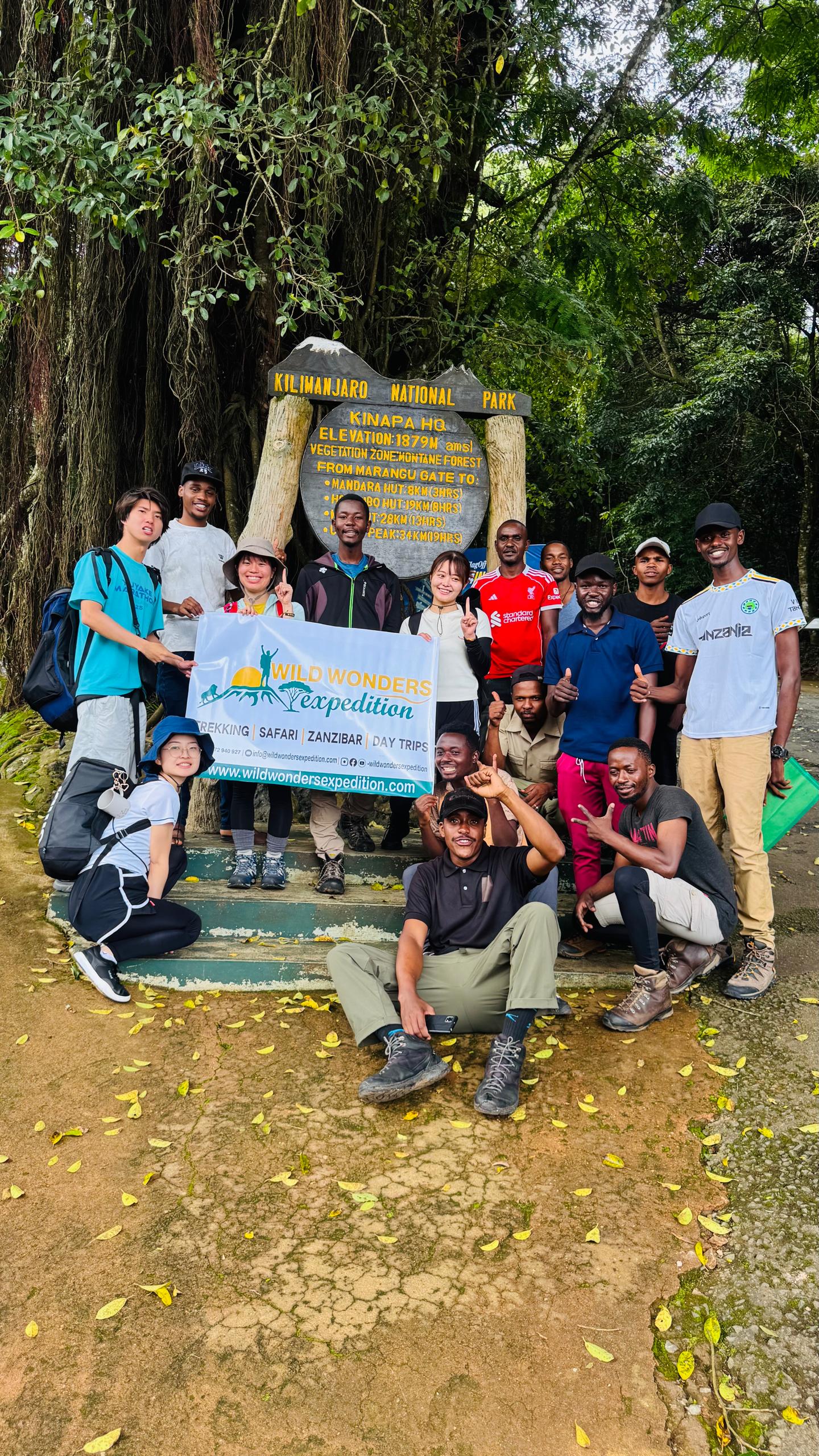
With Wild Wonders Expedition, we go the extra mile to ensure your hydration needs are met. Our experienced guides will set up designated water stations along your route. These stations not only provide safe drinking water but also serve as refreshing breaks where you can enjoy stunning views and share stories with fellow trekkers.
4.Daily Water Intake:
As a rule of thumb, it's recommended that you drink at least 3 to 4 liters of water daily while trekking Kilimanjaro. Higher altitudes demand more fluids, so listen to your body and stay ahead of your hydration needs. Our guides will help you monitor your water intake, ensuring you're always well-hydrated.
How Is the Water Made Safe to Drink?
Most reputable Kilimanjaro tour operators will filter and boil water for you daily.
This water is then poured into your personal bottles or hydration bladders.
In some cases, additional chemical purification methods like water purification tablets or UV light treatment (Steripen) may be used to ensure safety.
You should always confirm with your tour operator about their water purification process.
Should I Bring My Own Water Filter or Tablets?
While operators purify water, it’s a good idea to carry your own backup method, especially if you are trekking with a budget provider. Here are some recommended options:
Water purification tablets: Lightweight and easy to carry.
Steripen: UV light device that kills bacteria and viruses.
LifeStraw bottle or filter: Allows direct filtration from natural sources.
How Much Water Should I Drink Each Day?
At high altitude, dehydration can worsen the symptoms of altitude sickness. It’s recommended that you drink at least 3 to 4 liters of water per day during the trek. This includes water consumed at camp and during your hike. Guides will monitor your intake and may remind you to drink even when you’re not thirsty.
What Water Bottles or Systems Should I Bring?
Hydration bladder (CamelBak type): Allows hands-free sipping while hiking. A 2 to 3-liter bladder is ideal.
Insulated water bottles: These help prevent freezing at higher altitudes.
Wide-mouth bottles: Easier for guides to pour boiled water into each morning and evening.
Pro tip: Use bottle covers or insulated sleeves above 4,000 meters where water can freeze overnight.
Is Bottled Water Available on the Mountain?
No, bottled water is not carried or sold on the mountain due to environmental regulations and waste concerns. All drinking water is sourced from natural sources and purified by the trekking crew.
Bottled water may be available at hotels or shops in Moshi or Arusha before the climb begins.
Tips to Stay Hydrated on Kilimanjaro
Start hydrating days before your trek begins to build fluid levels.
Avoid caffeine and alcohol before and during the trek as they contribute to dehydration.
Flavor your water with electrolyte tablets or powders for added energy and taste.
Listen to your guides—they often ask how many bottles you’ve consumed each day.
Carry enough capacity—bring bottles and bladders that total at least 3 liters.
What If I Run Out of Water While Hiking?
Guides and porters usually carry extra boiled water to refill your supply during breaks. However, it’s your responsibility to pace your consumption and alert the guide if you’re running low. Always fill up every morning and during major stops.
Environmental Awareness
Plastic waste is not allowed on the mountain. Avoid bringing single-use plastic bottles. Use refillable containers and practice responsible trekking. Most companies are environmentally conscious and follow Leave No Trace principles to protect Kilimanjaro’s fragile ecosystem.
Final Advice on Drinking Water
Drinking clean, safe water is one of the most important aspects of a successful Kilimanjaro climb.
Hydration affects everything from your energy levels to your ability to acclimatize. With the right water containers, basic filtration backup, and proper hydration habits, you can stay healthy and strong on your way to the summit.